We’ve been bottled up indoors, the rods and reels have been gathering dust, and the tacklebox is serving as an end table ever since the late fall light tackle bite wound down—but all that’s about to end. With winter on its way out and spring taking over, a wide range of species are beginning to bite once again. But spring does bring its own set of unique challenges, as well as new opportunities. As you prep your gear and make those angling plans, keep these spring fishing tips in mind.
Where to go Fishing in Spring
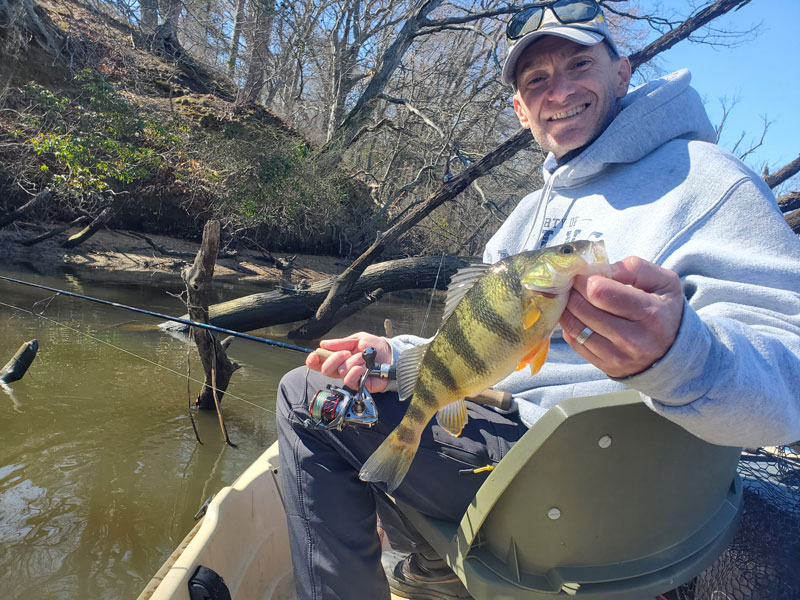
Here in Bay country numerous anadromous species which return to freshwater venues to spawn every spring will be packing into the tributaries. This concentrates their population into an area that grows smaller and smaller the farther upstream they travel. At some times in some places, it will seem like there are so many fish you could walk across the water on them. Some species, like striped bass, are off-limits during this timeframe, but some others are fair game. White perch fishing in particular shines during spring, and the shad runs provide great catch-and-release action. So keep your eyes on FishTalk’s fishing reports to stay up to date on when and where the fish are running.
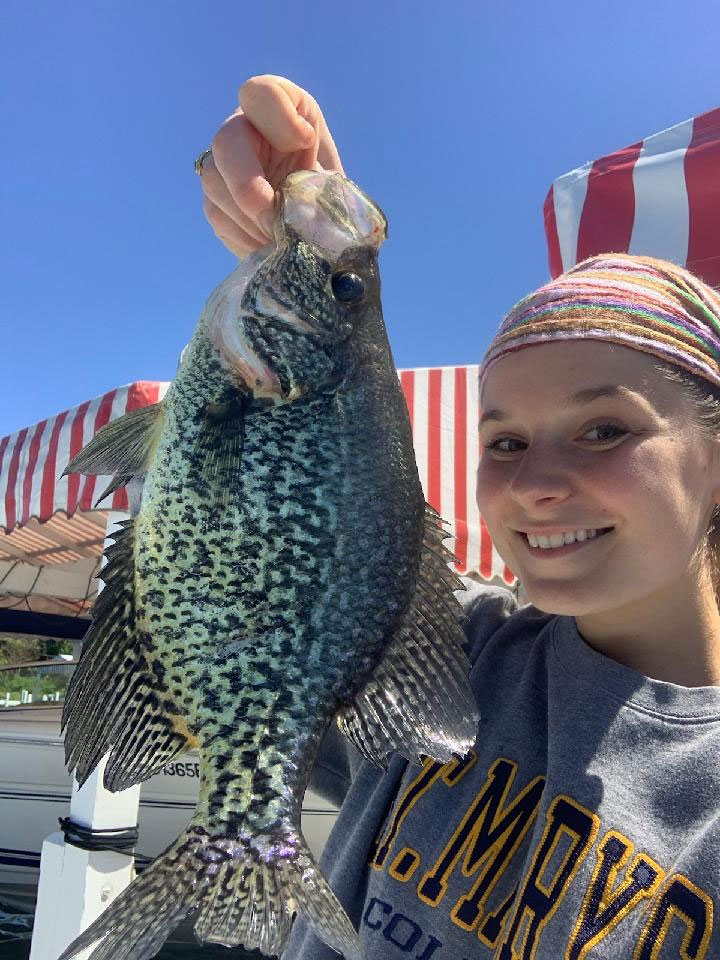
While freshwater fish don’t migrate, they do also have a spring spawn that congregates the fish. In most cases, such as bass, crappie, and bluegill, the fish will be building nests in shallow waters where they’ll lay their eggs. In many cases the nests and the adult fish guarding them will be visible.
As spring warms up the waters we’ll also see the appearance of migratory fish in the Chesapeake and along the coast as our summer visitors return to these waters. Red drum and black drum, flounder, and bluefish are a few of the earlier arrivals, and many more species will follow as spring moves on towards summer. Expect fishing for them to be relatively slow when the reports of their arrival first start trickling in, but remember that their numbers can increase rapidly. Particularly after a week-long warm spell fishing can go from slow to red-hot very overnight. The opposite can be true too, however, so if there’s a cold snap following the early reports you may want to bide your time just a little bit longer.
How to go Fishing During Spring
Naturally the exact way you’ll target the fish will differ from one species to the next. That said, there are some general tips we can give you that should help get a bend in your rod.
- Most fish become rather aggressive as the water warms up and they feed hard after a long winter of waiting, so don’t be afraid to try fast, erratic retrieves.
- When fishing in one of the areas that has a spawning run, the fish can be spectacularly choosy about what baits they hit. During the perch run, for example, one day you’ve got to have grass shrimp to catch them and another day all they’ll eat is minnow. This is a good time to haul multiple options.
- At this time of year swings in temperature can have a major effect on the fish. A few days of cooler weather or cloudy skies can send them deep, while warm, clear, sunny days can trigger a shift to shallower depths.
- This is one time of year when fishing in the warmer part of the day, the afternoon, often tops the early morning bite. This can be especially true on warm, clear, sunny days.
- In tidal waters look for areas where a falling tide drains shallow flats and bays. Predators will often hunt in areas where the sun-warmed water is flowing out. Again, the effect is often most prominent in the afternoon on clear days with strong sunlight.
What to Fish With During Spring
Spring is a time of tremendous transition, so it’s not safe to make hard and fast declarations about what lures or baits will or won’t work the best. Plus, choosing lures versus baits can be a very different decision from one species to the next. That said, these generalized tips do hold true through the season.
- Pay attention to water temperature. When it’s in the low comfort range for any given species expect bait to work better than lures, and when it reaches well into the fish’s comfort range know that the effectiveness of artificials should grow.
- Pay attention to weather patterns. A cold rain can shut down the bite in contained waterways, and if it’s heavy it can muddy up those that flow. Extended gentle rain, however, can raise water levels and trigger action without muddying the waters.
- Many people believe that adding scents and flavors to lures helps the most during spring, when fish might still be moving on the slower side and need that extra temptation.
- In scenarios where sight fishing is possible (such as casting to bedded bass in freshwater or hunting for redfish over shallow mudflats on a sunny afternoon) stick with lures. It’s usually easier to cast accurately with a lure, you don’t have to worry about casting off your bait, and it’s a lot faster to re-cast after a bite.
Whew – the long winter is finally in the rearview mirror, and now the 2026 fishing season can crank up in earnest. TGIS!